
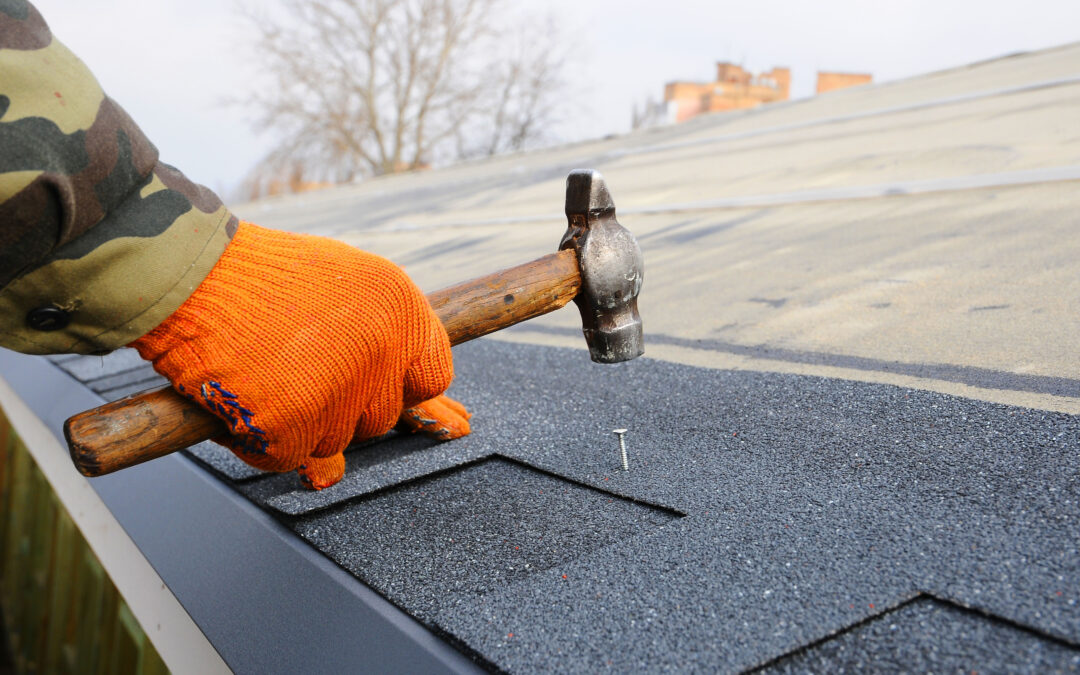
During an inspection, professionals evaluate various components of the roof to ensure everything is functioning properly. They look for signs of damage, wear and tear, and any potential threats that might compromise the structure. By catching problems early, homeowners can avoid more significant issues down the road.
According to This Old House, you should have a professional roofing inspection every 12 months. This regular check-up helps maintain the roof’s health and can provide peace of mind knowing that your home is protected. Professionals bring expertise and specialized tools to accurately assess the condition of your roof.
Shingle Condition
The condition of the shingles is a primary concern during an exterior roof inspection. Professionals check for any signs of curling, cracking, or missing shingles, which can indicate underlying issues. Damaged shingles can lead to leaks and further structural problems if not addressed promptly. Inspectors also look for granule loss, which can affect the shingles’ ability to protect against UV rays. By assessing the shingles’ condition, we recommend roofing repairs or replacements to maintain the roof’s integrity.
Shingle condition is crucial for protecting the roof from weather elements. Over time, exposure to the sun and rain can cause shingles to deteriorate. Professionals are trained to identify even subtle signs of wear that homeowners might overlook. They can also provide guidance on the best type of shingles for your specific climate and home design. Regular inspections ensure that your roof remains in good condition and continues to provide effective protection.
In some cases, shingle issues might be due to improper installation. Professionals can assess whether the shingles were installed correctly and recommend solutions if necessary. They also check for signs of algae or moss growth, which can further damage shingles. By understanding the root cause of any issues, inspectors can provide targeted recommendations for maintenance and roofing repairs. Properly maintained shingles are essential for a long-lasting roof.
Flashing and Seals
Flashing and seals are critical components in preventing water infiltration. During an inspection, professionals assess the condition of the flashing around chimneys, vents, and other roof penetrations. Damaged or improperly installed flashing can lead to leaks and water damage. Inspectors also examine the seals around skylights and other openings to ensure they are intact. Any issues with flashing or seals need to be addressed promptly to prevent further damage.
Flashing is typically made of metal and is designed to direct water away from vulnerable areas. Over time, flashing can become corroded or loose, compromising its effectiveness. Professionals use their expertise to identify any weak points in the flashing and recommend appropriate roofing repairs. Properly functioning flashing is essential for maintaining a watertight roof.
The seals around roof penetrations are equally important in preventing leaks. Inspectors check for any signs of deterioration or gaps in the seals. They may use specialized tools to test the integrity of the seals and ensure they are providing adequate protection. By maintaining the flashing and seals, homeowners can prevent water damage and extend the life of their roof. Regular inspections help catch any issues before they become major problems.
Gutter and Drainage Systems
The gutter and drainage systems play a vital role in directing water away from the roof and foundation. During an inspection, professionals check for any blockages or damage in the gutters. Clogged gutters can lead to water overflow, which can damage the roof and siding. Inspectors also assess the downspouts to ensure they are effectively channeling water away from the home. Properly functioning gutters and drainage systems are essential for preventing water damage.
Gutters need to be clear of debris to function correctly. Professionals can identify any areas where debris tends to accumulate and recommend solutions to prevent future blockages. They may also check for signs of rust or corrosion that could affect the gutters’ performance. Regular maintenance of the gutters and drainage systems is crucial for protecting the roof and home from water damage.
In addition to cleaning the gutters, professionals assess the alignment and pitch to ensure they are directing water properly. Improperly aligned gutters can cause water to pool on the roof, leading to leaks and damage. Inspectors can make necessary adjustments to improve the gutters’ performance. By maintaining an effective drainage system, homeowners can protect their roof and home from potential water-related issues.
Chimney and Skylight Examination
Chimneys and skylights are common points of concern during a roof inspection. Professionals examine the chimney for any signs of damage or deterioration in the masonry. Cracks or gaps in the chimney can allow water to seep in, leading to potential leaks. Inspectors also check the seals around the skylights to ensure they are intact and provide adequate protection. Proper maintenance of chimneys and skylights is essential for preventing water infiltration.
Chimneys can be susceptible to damage from weather and age. Professionals assess the condition of the chimney cap and flashing to ensure they are functioning properly. Any issues with the chimney should be addressed promptly to prevent further damage. Regular inspections help identify potential problems and provide solutions to maintain the chimney’s integrity.
Skylights can be a beautiful addition to a home, but they also require regular maintenance. Inspectors check for any signs of leaks or damage around the skylights. They may also assess the condition of the glass and seals to ensure they are providing adequate protection. By maintaining the skylights, homeowners can prevent potential issues and enjoy the benefits of natural light in their home.
Roof Edges and Eaves
The edges and eaves of the roof are critical areas that require careful inspection. Professionals check for any signs of damage or wear in these areas. The eaves are particularly susceptible to ice dams and water damage, making regular inspections essential. Inspectors also look for signs of rot or decay in the fascia and soffits. Proper maintenance and roofing repairs of the edges and eaves are crucial for preventing water damage and ensuring the roof’s longevity.
Ice dams can form on the eaves during the winter months, leading to potential water damage. Professionals assess the condition of the eaves and recommend solutions to prevent ice dams. They may also check for signs of animal infestations, which can cause damage to the roof edges. Regular inspections help identify potential issues and provide solutions to maintain the roof’s integrity.
The fascia and soffits play a vital role in protecting the roof and home from water damage. Inspectors check for any signs of rot or decay in these areas. They may also assess the condition of the paint or finish to ensure it is providing adequate protection. By maintaining the roof edges and eaves, homeowners can prevent potential issues and ensure the roof’s longevity.
Regular professional inspections are vital for preserving your home’s structural integrity. By systematically evaluating shingles, flashing, drainage, and specialized features like skylights, experts identify subtle vulnerabilities before they escalate. Adhering to an annual maintenance schedule prevents costly water damage, optimizes roof performance, and ensures long-term peace of mind for homeowners. For professional inspections, maintenance, and roofing repairs, contact JCIS Roofing, Inc today.