
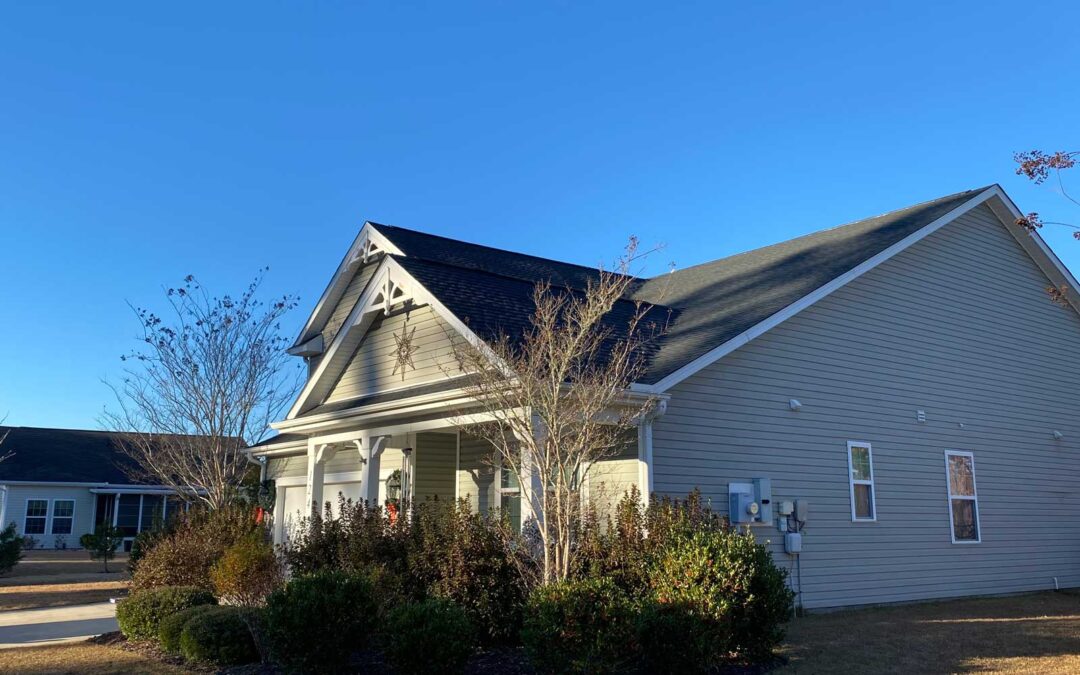
At JCIS Roofing, we’ve spent over 25 years working on roofs throughout Solana Beach—from the bluff-top homes catching full ocean wind to quiet streets tucked back near Loma Santa Fe. Juan, our owner, always says the same thing before storm season: “If your roof is going to fail, the first big rain will tell you.”
The key is making sure you’re ahead of that moment—not reacting to it.
Why Solana Beach Roofs Need Proactive Attention
Coastal roofs break down differently than inland roofs. Here, the three biggest culprits are:
- Salt that corrodes metal components like flashing, nails, and vents.
- Wind that lifts tiles or shingles just enough to create a vulnerable entry point.
- Wind-driven rain that finds—and exploits—every gap.
From the street, your roof may look perfectly fine. The real story is in the seams, edges, valleys, and underlayment where coastal exposure shows itself first.
The Areas We Inspect Before the Storms Hit
When we come out to prepare a Solana Beach home for storm season, there are a few areas we never skip:
- Flashing around chimneys, skylights, and vents
If there’s rust or separation, water will find it. - Tile or shingle alignment
One tile sliding out of place creates a path for water. - Valleys (where roof slopes meet)
These collect runoff and are the first to fail when blocked. - Gutters and downspouts
If water can’t exit fast, it backs up under your roof. - Underlayment condition (especially with older tile roofs)
The tile is just the shell—underlayment is what keeps water out.
We take photos during every inspection so you see exactly what’s happening up there.
Storm Prep Every Solana Beach Homeowner Should Do
You don’t need to climb a ladder to make a difference. Here’s what you can do:
- Clear gutters and downspouts now, not after it rains.
- Trim back branches touching or hanging over your roof.
- Check interior ceilings for faint discoloration — this is leak warning #1.
- Walk your yard after strong wind — if you find shingle granules or broken tile pieces, call us.
And if your roof is 10+ years old, schedule a professional inspection—rain doesn’t give warnings.
The Best Roofing Materials for Solana Beach Weather
When replacement or major repair becomes the right move, some materials simply handle the coast better:
| Material | Why It Works Here |
| Concrete Tile | Heavy, stable, and performs extremely well against wind. |
| Clay Tile | Excellent coastal durability and natural airflow under tile. |
| Standing Seam Metal (coastal-grade) | Resistant to corrosion and sheds rain efficiently. |
| Architectural Coastal-Rated Shingles | If shingles fit the budget, choose the ones built for salt and wind. |
The important thing isn’t just the roofing material—it’s the underlayment and flashing system beneath it. That’s where storm protection actually happens.
After the Storm: What to Watch
When the rain clears, take a few minutes to check:
- Ceilings for new or spreading marks
- Exterior walls for damp patches
- Yard for roofing debris
- Attic air for musty or damp smell
If anything feels “off,” even slightly, call sooner rather than later.
Water damage is exponential—the earlier the fix, the smaller the job.
How We Work in Solana Beach
When you schedule with JCIS Roofing:
- Juan or a senior member of our crew walks the roof personally.
- We document everything with photos you can review at the kitchen table.
- We lay out every option clearly—repair, reinforce, or replace—with honest timelines and no sales pressure.
- We clean up daily, not just at the end, because your home should feel lived-in, not under siege.
Our job is to protect your home, not sell you something you don’t need.
Get Ahead of the Next Storm
If you’re in Solana Beach and want peace of mind before the rains hit, now is the time—not mid-storm with towels under the ceiling.
Call JCIS Roofing at 760-481-8006
or request your inspection at jcisroofing.com
We’ll take a look, show you what we see, and give you straight answers—just like we’d want at our own homes.