
Tile Roofing Installation & Repair
TILE ROOFING INSTALLATION & REPAIR IN San Marcos, CA
Clay and concrete tile routinely outlast 100 years, while the underlayment sealing the roof beneath them gives out somewhere between 20 and 30 years. That gap is why so many tile roofs leak while looking perfectly sound from the street. JCIS Roofing Inc. covers tile roofing in San Marcos, CA with new installations, lift-and-relay underlayment renewal, cracked tile replacement and hip and ridge repair, protecting the tile you already own rather than talking you into replacing all of it.
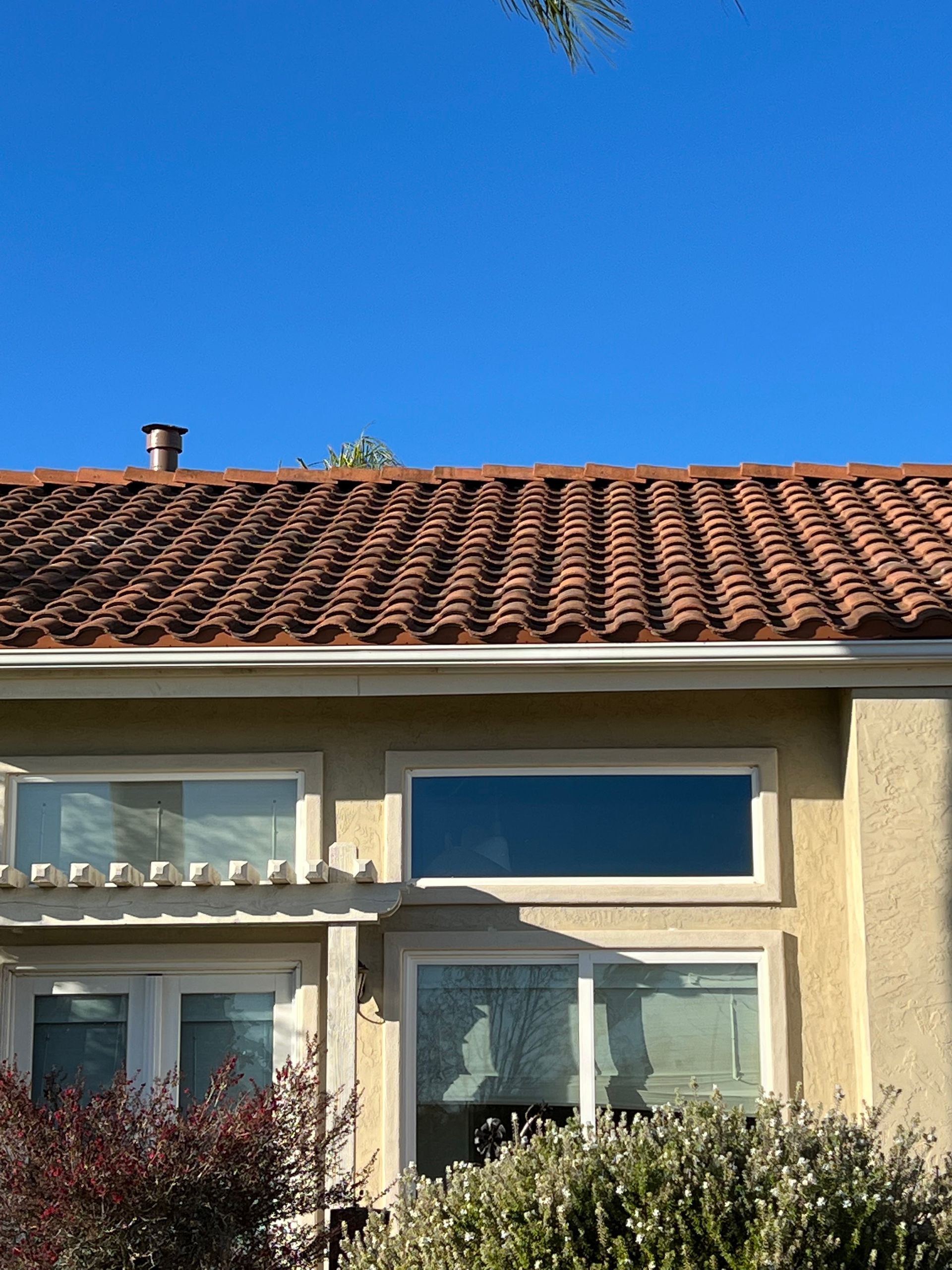
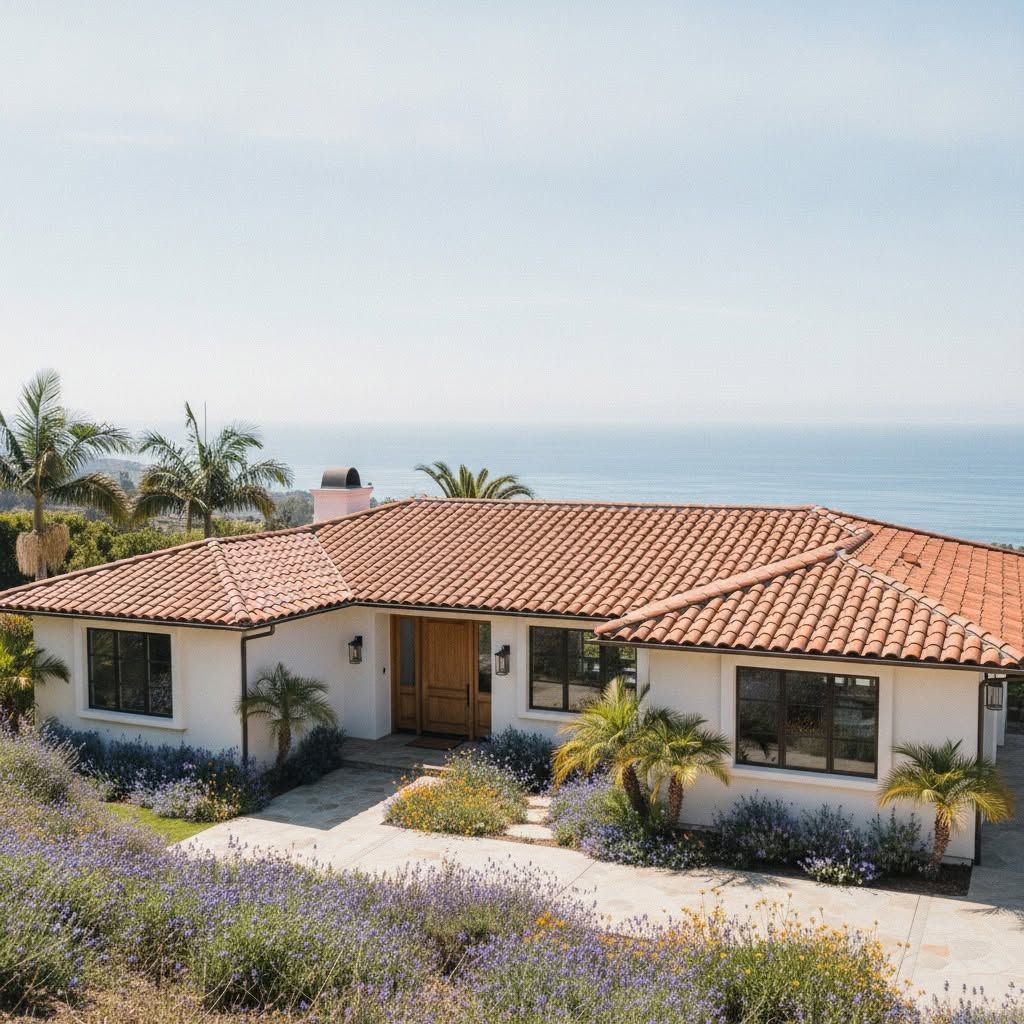
MOST OF YOUR TILE ROOF IS STILL PERFECTLY GOOD.
Homeowners are often told they need a whole new tile roof at a point when the tile itself still has decades of service left in it. What has actually failed is the paper underneath, and that can be renewed without buying a single new piece of tile beyond the small percentage that breaks during handling.
We stack, sort and reuse your existing field wherever the tile is sound. It costs less, it keeps the roof looking exactly as it did, and it keeps thousands of pounds of material out of a dumpster.
✓ Existing tile lifted, stacked and reused
✓ New underlayment across the full roof area
✓ Battens, flashing and valley metal renewed
✓ Written warranty on materials and workmanship
TILE ROOFING
LIFT THE TILE, FIX THE PROBLEM, PUT IT BACK.
A relay is straightforward work done carefully. Tile comes off in sequence and gets stacked on the roof in bundles that the framing can carry, the old underlayment is stripped, the deck is inspected and re-nailed, and new underlayment goes down with fresh valley metal and flashing. Then the field is reset course by course to the original headlap. Done properly, the finished roof looks untouched and the clock on it starts over.
SPANISH TILE IS THE LOOK THIS COUNTY WAS BUILT ON.
Whole neighborhoods here were designed around barrel and S-profile tile, and swapping to composition changes a house permanently. It also often runs into architectural guidelines. Keeping the tile keeps the character and the resale position, which is why so much of our tile work is renewal rather than replacement. We match profiles and weathering carefully, because a mismatched repair is visible from the sidewalk for the next 30 years.
TILE PUNISHES GUESSWORK, SO WE STOPPED GUESSING
Tile is unforgiving. Walk it wrong and you break it, set the headlap short and it leaks in wind-driven rain, load a stack in the wrong place and you can crack a rafter. Those are all lessons somebody learns the expensive way, and we learned ours long ago. Our crews walk the valleys and the headlaps, not the middle of a pan. How much breakage did your last roofer admit to?
WHY CHOOSE US FOR TILE ROOFING.
DECADES MORE FROM TILE YOU OWN
Renewing the layer underneath restores the whole roof without replacing the expensive part of it. You keep the material you already paid for, and the assembly starts a fresh service life at a fraction of full replacement cost.
A ROOF THAT LOOKS UNTOUCHED
Because the original field goes straight back down, there is no obvious patch, no color mismatch and no change to the elevation. Neighbors and inspectors see the same roof afterward, which is precisely the outcome most tile owners want.
REAL FIRE RESISTANCE OVERHEAD
Clay and concrete tile are both noncombustible, which matters enormously on a property mapped inside a high fire hazard severity zone. Paired with the correct rated underlayment, the finished assembly reaches the Class A rating those areas require.
COOLER ROOMS UNDER A TILE FIELD
The air gap beneath a tile field works as a thermal break, letting heat move out sideways rather than pushing straight down. Combined with balanced attic ventilation, that keeps upper rooms measurably cooler through the worst summer afternoons.
LESS BREAKAGE DURING THE WORK
Careful walking patterns, sensible stacking and correct handling all keep tile loss low, and low loss in turn keeps your material bill down. It also means far fewer obviously new replacement pieces scattered right across the finished field afterward.
CURB APPEAL THAT HOLDS ITS VALUE
Tile reads as a permanent, high-end roof to buyers and to appraisers alike. Maintaining it properly protects a visual asset that composition can never really replicate, and it keeps the house consistent with the rest of the street.
WHAT WE INSTALL
OUR TILE ROOFING WORK
Failures on a tile roof happen in predictable places, and renewal follows predictable stages. These six areas cover nearly every tile call we take across the county in a given year.

LIFT RELAY
Tile Lift and Relay Underlayment Replacement
Your full field comes off in sequence, the deck underneath gets inspected and re-nailed, and new underlayment then goes down along with fresh valley metal. Your original tile then returns course by course at the correct headlap throughout.
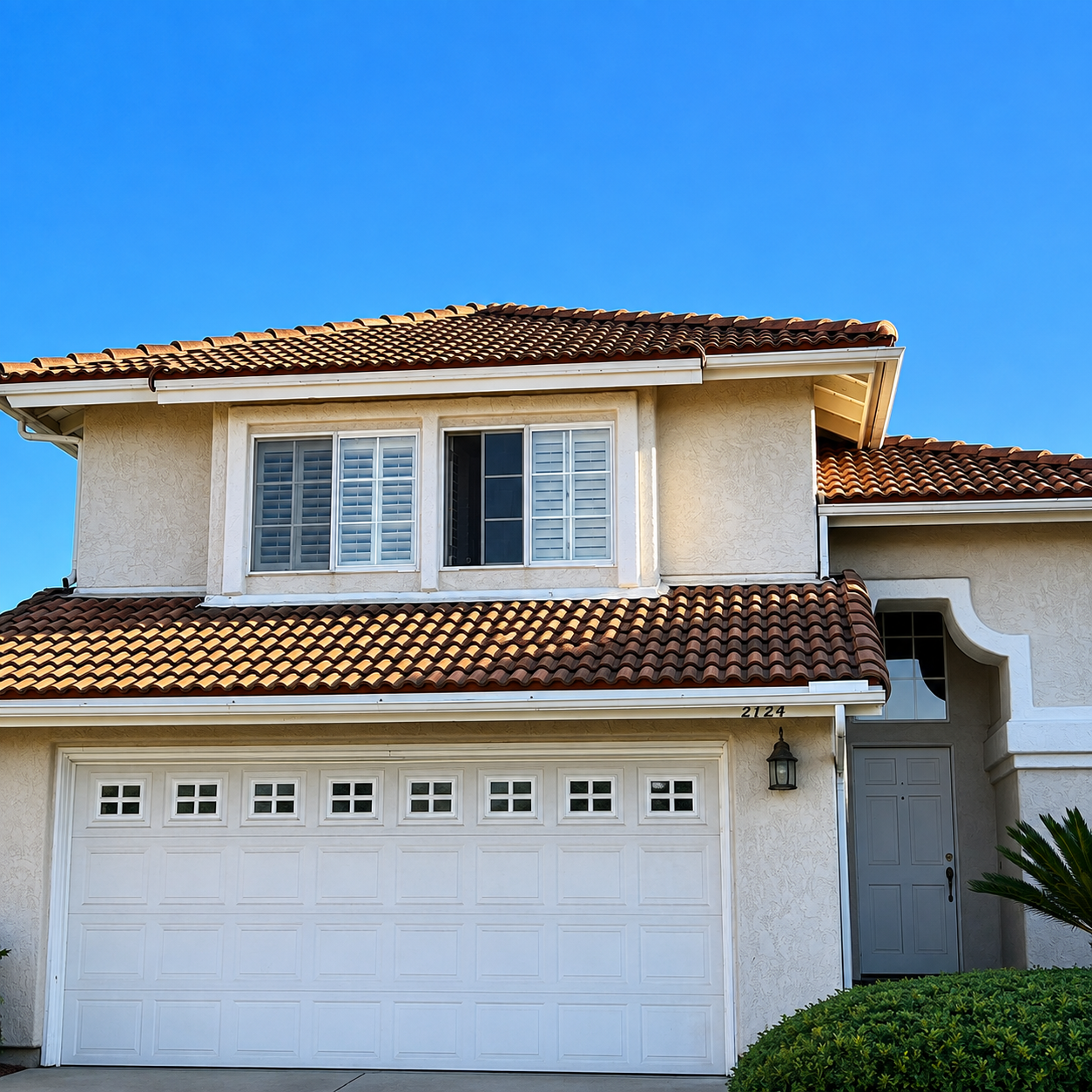
NEW TILE
Concrete and Clay Tile Installation
New tile roofs always start with a framing check, because the finished system weighs several times what composition does. Underlayment, battens where the profile requires them, and mechanically secured hip and ridge courses then complete the installation properly.
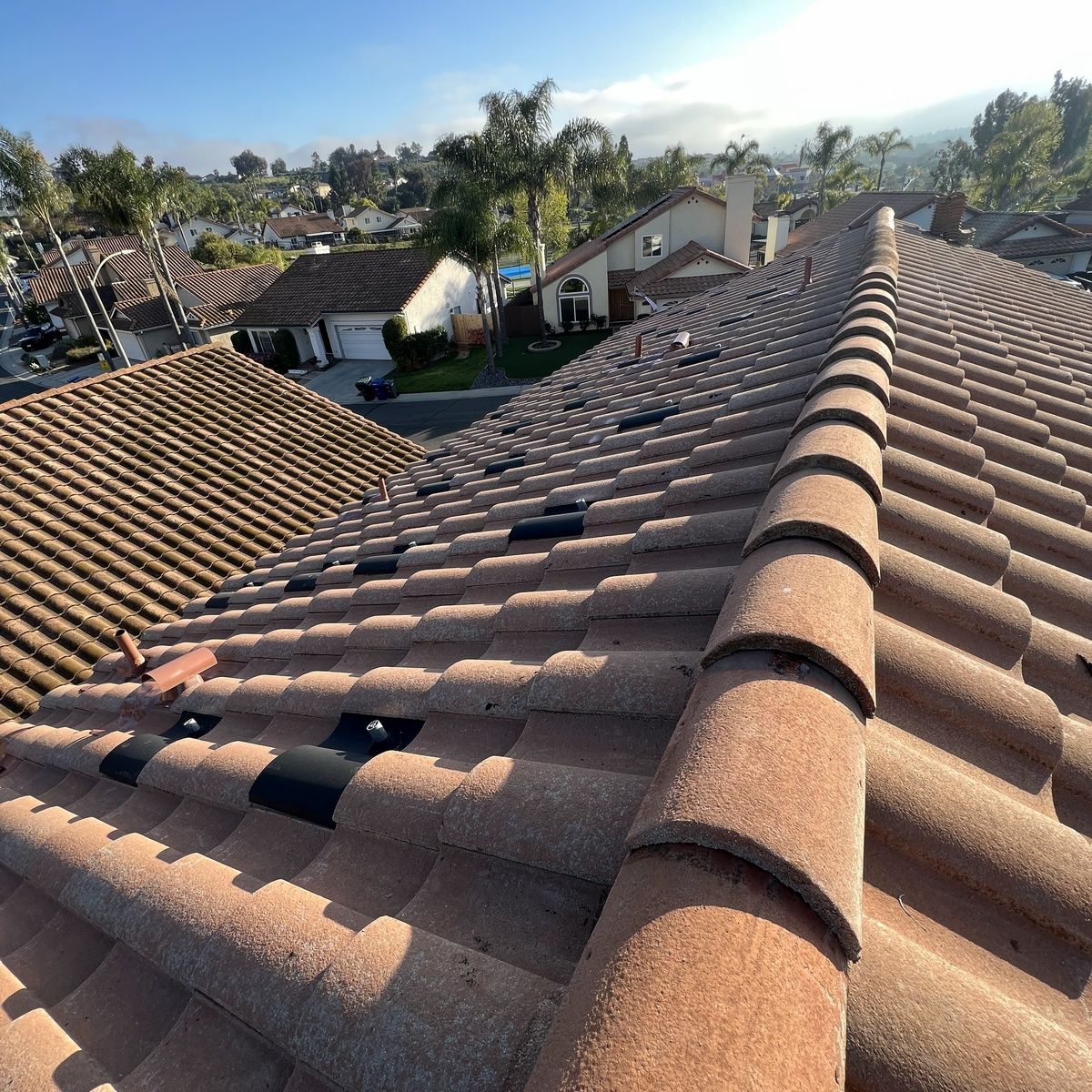
BROKEN TILE
Cracked and Slipped Tile Replacement
Foot traffic, falling branches and settlement all crack tile, and a single broken piece exposes the underlayment directly to the sun. We source matching profiles, replace the damaged pieces, and reseat anything that has slipped out of course.
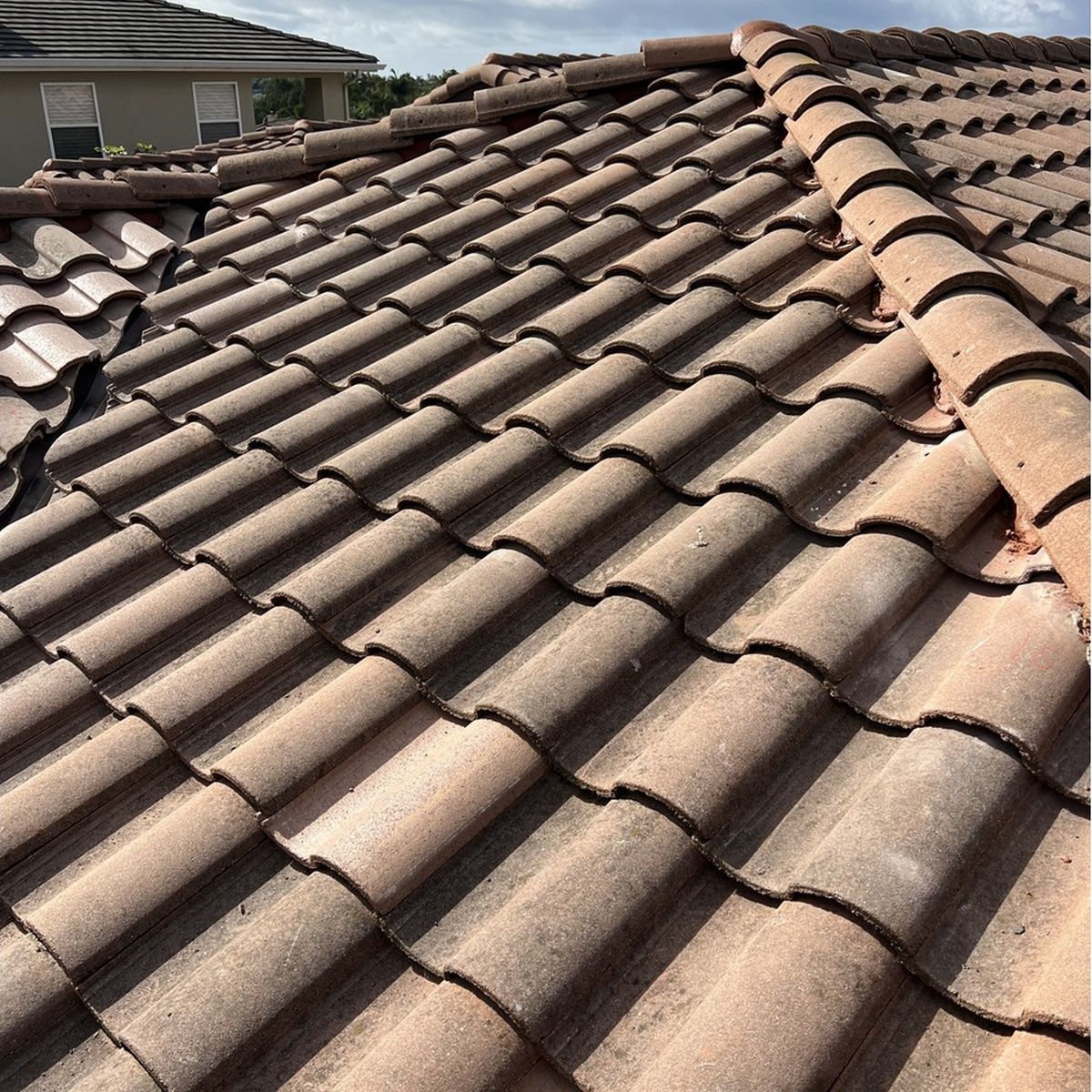
RIDGE WORK
Hip, Ridge and Mortar Repair
Mortar bedding along hips and ridges cracks and drops out over the years, loosening the caps and letting wind-driven rain underneath. We rebed or convert to a mechanically fastened ridge system that will not need doing again soon.
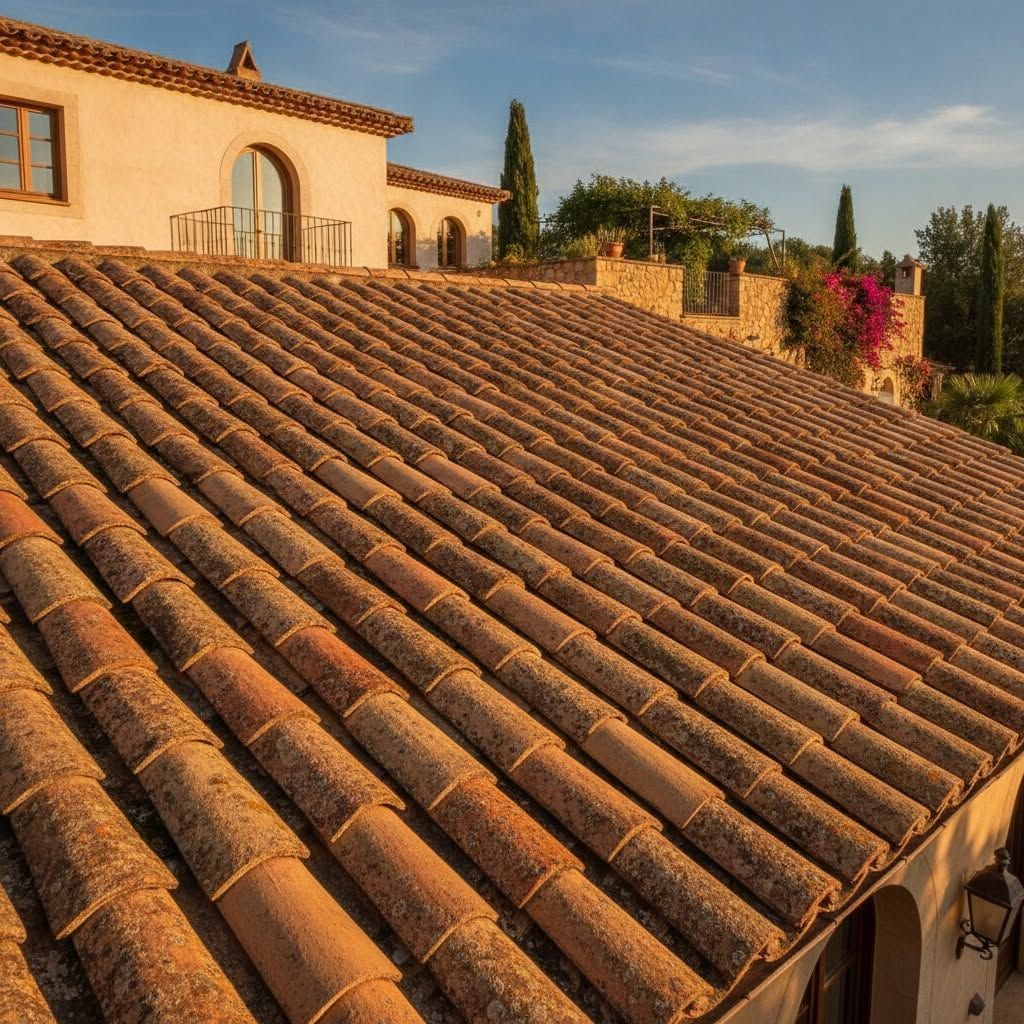
LEAK FIXES
Tile Roof Leak Repair
A leak under tile is almost never the tile. We lift the affected area, find the failed underlayment, flashing or valley beneath it, rebuild that detail correctly, and set the original pieces back exactly where they came from.
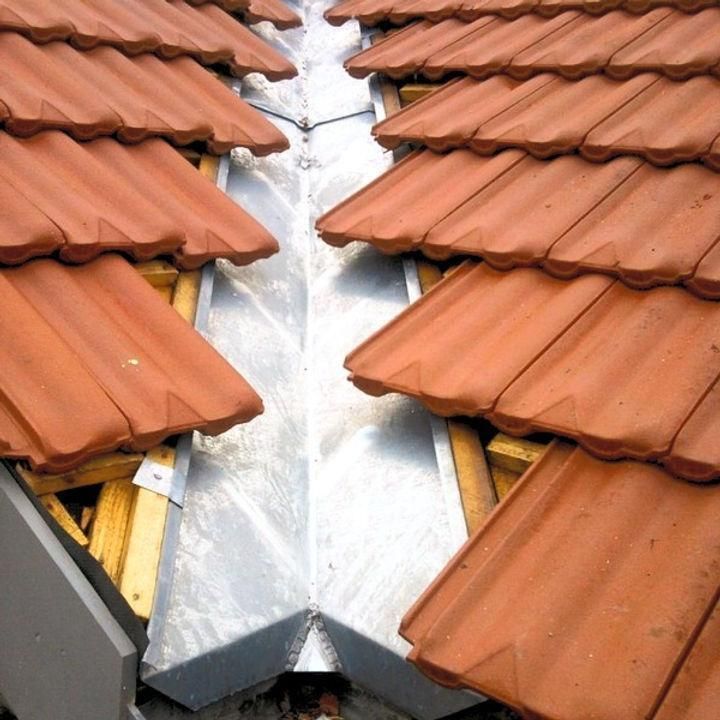
VALLEY WORK
Tile Valley and Flashing Rebuild
Valleys carry the heaviest water volume on any tile roof, and their metal corrodes long before the tile ages. We strip back the adjoining courses, install new valley metal and flashing, then close the field back up neatly.
THE WORD ON OUR WORK
WHAT OUR CLIENTS SAY.
The comment we hear most after a relay is some version of the same surprise: the roof looks exactly the way it did before we started. That is the whole point of the work, and it is genuinely satisfying to hear it every time.
FAQ
FREQUENTLY ASKED QUESTIONS.
Questions about tile differ from the ones composition prompts. These are the ones that come up most often, and anything unusual about your own roof is best looked at directly.
Why does a tile roof leak when the tiles look fine?
Tile sheds the bulk of the water, but the underlayment underneath is what actually waterproofs the roof. When that paper reaches the end of its life, water passing between and beneath the tiles has nothing left stopping it.
How long does tile underlayment last?
Traditional felt commonly reaches 20 to 30 years in this climate, while modern synthetic and modified bitumen underlayments push further. Heat, ventilation and the amount of direct sun a slope receives all move that figure considerably in practice.
What exactly is a tile lift and relay?
The existing tile gets removed and stacked, the old underlayment is stripped off, the deck is inspected and re-nailed, new underlayment and flashing go down, and your original tile is then reinstalled back over the top of it.
Can broken tiles be replaced individually?
Yes, and it is well worth doing promptly. A single cracked piece exposes the underlayment to direct ultraviolet light, which shortens the life of the whole roof. Matching profiles remain available for most common concrete and clay patterns.
Is it safe for anyone to walk on a tile roof?
Not without knowing where to step. Tile carries weight only at specific points, and walking the middle of a pan cracks it. JCIS Roofing, Inc. trains every San Marcos, CA crew on correct footing before they go up.
Concrete or clay tile: which suits this climate better?
Both perform well here. Clay holds its color almost indefinitely and carries a premium look, while concrete costs less, offers more profile choices and weighs slightly more. Structural capacity and budget usually decide it rather than raw performance.
Does my framing need checking before tile goes on?
If you are converting over from composition, then absolutely. Tile can weigh several times what shingles do, so the rafters and the ceiling joists need evaluating first. Roofs already carrying tile are generally fine for a straightforward like-for-like relay.
What is the mortar along my ridge for, and why is it cracking?
It beds and seals the hip and ridge caps in place. Thermal movement and age crack it eventually, which loosens the caps and lets wind-driven rain in. JCIS Roofing, Inc. rebeds or mechanically fastens those courses across San Marcos, CA.
HOW WE WORK
FROM STACKED TILE TO RESET FIELD, HERE IS HOW.
STEP 01
We inspect from above and below
Inside, the attic shows where water has been getting in, and the roof above shows why. Both views together tell us whether you are looking at a localized repair or an underlayment that has genuinely reached its end.
STEP 02
We scope the relay honestly
You get a written figure covering removal, underlayment, flashing, valley metal and full reinstallation, together with a realistic allowance for tile breakage. Nothing about that breakage percentage gets hidden or quietly padded into another line.
STEP 03
We lift and stack the field
Tile comes off in sequence and is stacked in bundles positioned where the framing can safely carry them. Handling is deliberately slow at this stage, because every piece broken here is a piece you pay for.
STEP 04
We renew everything underneath
Old underlayment comes off completely, the deck gets sounded and re-nailed, then new underlayment, valley metal and flashing all go down. This is the layer doing the real work, so nothing at this stage gets rushed.
STEP 05
We reset the field correctly
Every piece returns course by course at its original headlap, with cuts made cleanly at the valleys and rakes. Where replacement pieces are needed, we blend them across the roof rather than clustering them in one area.
STEP 06
We rebuild ridges and clean up
Hip and ridge caps get rebedded or mechanically fastened, birdstops go back in, and the property gets a full sweep. You receive photographs of the deck and underlayment stages you would otherwise never see.
Get Your Free Estimate
SEE WHAT SITS UNDER YOUR TILE, FREE.
Book an assessment through our contact page and we will lift a few tiles, photograph the underlayment condition underneath, and tell you plainly how many years are left in it. No obligation, and no pressure toward a full replacement.
WHAT YOUR TILE ASSESSMENT COVERS
✓ Underlayment condition checked beneath the tile
✓ Deck, valley and flashing inspection
✓ Photographs of what sits under your field
✓ Repair versus relay compared honestly
✓ A realistic tile breakage allowance
✓ Written pricing with warranty terms attached